


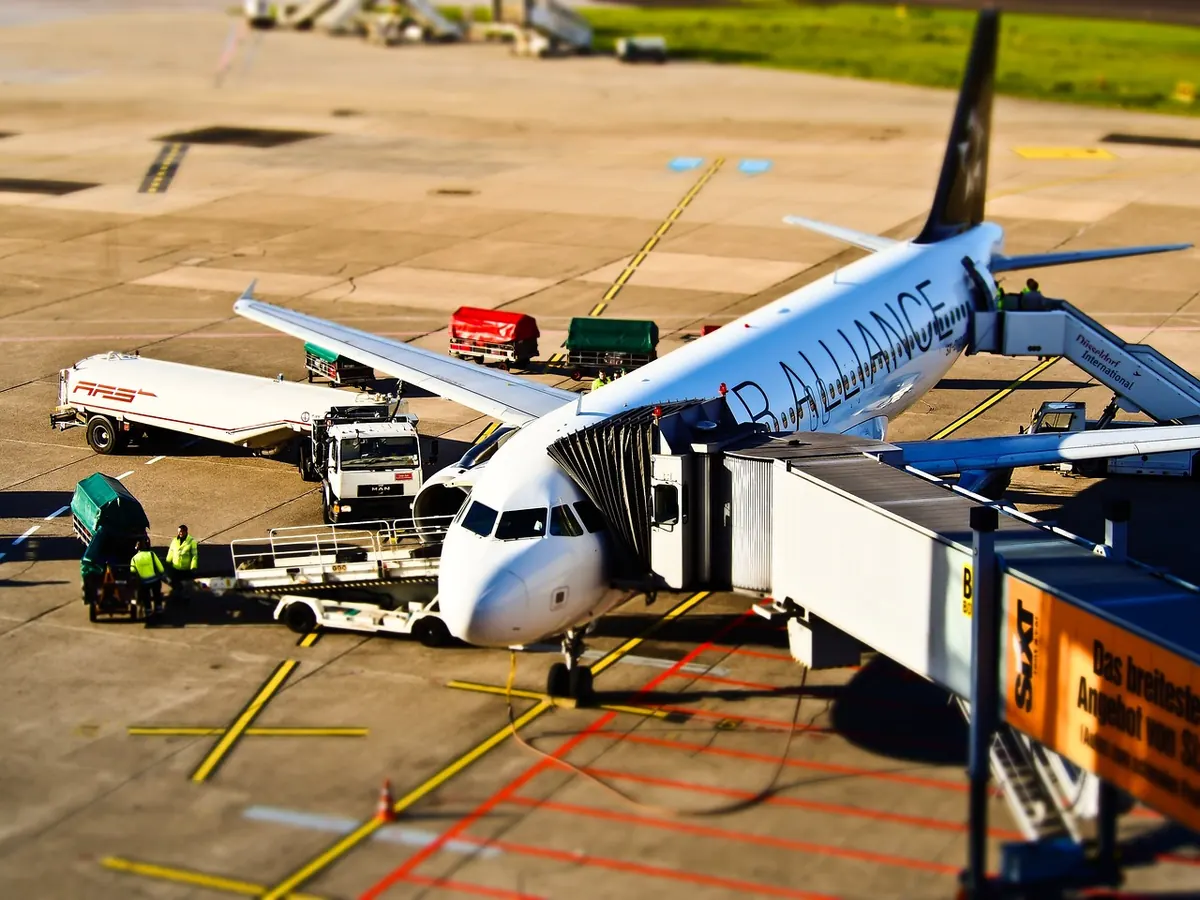
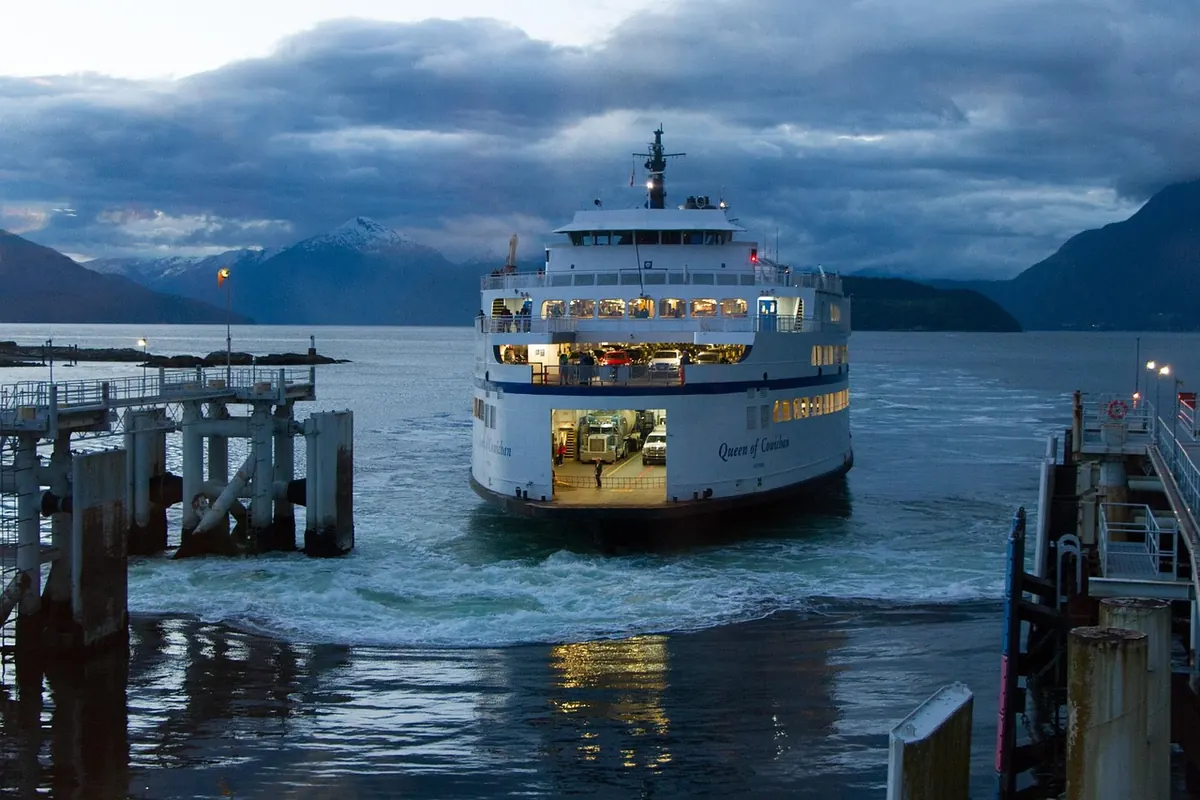


Ferries are generous with luggage — it is one of the quiet pleasures of crossing by sea rather than squeezing into a metal tube at 35,000 feet. There is no check-in scale, no 23kg ceiling and, on most routes, nobody weighs your bag. Generous is not unlimited, though, and the rules differ between operators, routes and whether you are travelling in a car or on foot. Get the details right and you avoid the two things that spoil a crossing: a surprise charge at the port and a bag you cannot reach when you need it.
Hand luggage: what stays with you
On a ferry, hand luggage means anything you keep with you rather than leaving in the car. Foot passengers carry everything. Drivers carry the bag they take up to the deck or into the cabin while the car sits on a closed deck below.
Weight is rarely the issue; size and shape are. Deck stairs are steep, corridors on older ships are narrow, and cabin storage is often a wardrobe and a shelf rather than a proper luggage rack. A soft holdall beats a rigid case every time.
One useful difference from flying: there is no 100ml liquid rule. Bring a full water bottle, sun cream and a decent-sized shampoo without a second thought. Some terminals do run security checks, so if you are travelling on foot, keep tools and pocket knives in your main bag rather than your day pack and be ready to put bags through a scanner.
Hold luggage, car decks and the boot
Drivers get the easiest deal: the car is the hold. Boot space is not measured, and most operators do not care how many bags you pack, provided nothing is dangerous and nothing blocks your view. What matters is that you may not be able to return to the car once the ship sails. Car decks are commonly locked or closed to passengers during the crossing.
So pack a crossing bag. Medication, a warm layer, snacks, chargers, passports and booking references should travel with you, not in the boot. On overnight sailings this becomes essential: take a small case or rucksack to the cabin and leave the rest behind.
If you are towing a trailer, carrying bikes on a rack or fitting a roof box, declare it when you book. Fares on many routes are based on the vehicle's length and height, and an undeclared roof box can mean a bigger bill at the check-in booth.
When extra bags cost extra
By airline standards, ferry allowances are wide. Most operators do not charge per kilo, and a foot passenger with a suitcase and a rucksack will usually board without paying a penny more. Charges appear when you are carrying something that takes up space, needs handling or has to be booked separately.
Expect a fee, or at least a requirement to book in advance, for:
- Bicycles, tandems and e-bikes
- Surfboards, paddleboards, kayaks and windsurfing kit
- Golf clubs, ski bags and other oversized sports luggage
- Trailers, caravans and roof boxes
- A second or third large case on a foot-passenger booking, on routes that set a limit
- Pets, which are almost always booked and charged separately
Fees vary widely between operators and routes, so treat any figure you see online as route-specific. The reliable move is to add extras during booking, when the price is clear, rather than at the port, where space may already be allocated. Turning up with an undeclared bike on a busy summer sailing can end with a refusal to board.
Restricted items: what not to pack
Ferries operate under maritime dangerous goods rules, which are enforced by the operator and are stricter than road rules in some respects. The list below covers most of what gets refused.
- Petrol, diesel or spare fuel in cans, and fuel-soaked equipment
- Gas cylinders and camping stoves, unless declared and specifically permitted
- Fireworks, flares and pyrotechnics
- Firearms and ammunition, which must be declared and often require prior written approval
- Corrosives, strong acids, paints, solvents and anything leaking
- Illegal drugs
E-scooters, hoverboards and some e-bikes sit in a grey area because of their lithium batteries. Many operators restrict or ban them on car decks and in cabins, and the rules change. Ask before you travel rather than assuming your model is fine.
Alcohol and tobacco are a separate question. Ferry luggage limits rarely concern themselves with how much you bring for personal use, but customs allowances apply when you arrive. Those limits are set by the country you enter, not the ferry company. If you are unsure, check official customs guidance for your route, or take professional advice.
Foot passengers, bikes and port storage
Left luggage at ferry ports is uncommon. Terminals are built for quick turnarounds, not for storing cases while you wander off, and many have no secure storage at all. Arrive hours early on foot and you will probably be carrying your bags with you, so choose something light with decent straps.
Cyclists normally hand the bike over at the port or secure it in a designated area on board. Take panniers off and keep them with you. If you do need storage, ask the port directly well before your travel date — a nearby hotel or coach station sometimes offers paid left luggage, but never assume it exists.
Six ways to keep it simple
- Book extras at the time of booking, then keep the confirmation with your ticket.
- Measure your vehicle properly, including roof boxes, racks and tow bars.
- Take one soft bag per person for the cabin and leave the rest in the car.
- Pack medication, documents and valuables in the bag that stays with you.
- Label every case with a name and mobile number, and photograph it before you leave.
- Check the luggage terms for your specific sailing — they can differ between routes on the same brand.
A last check before you sail
Luggage rules on ferries are usually relaxed, but they are not uniform. Read the terms on your booking, confirm anything unusual in writing, and arrive with time to spare so a question about a bike or a trailer does not become a dash for the gate. Do that, and the crossing stays what it should be: the calmest part of the journey.
Photo: Alexas_Fotos / Pixabay