

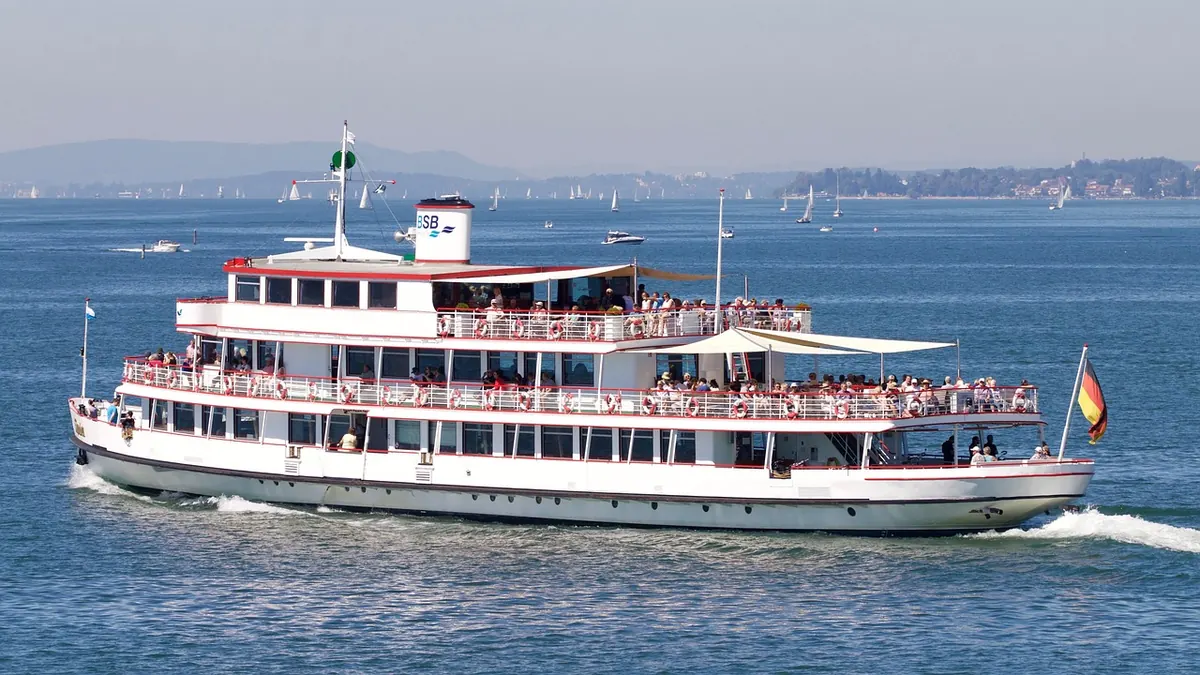
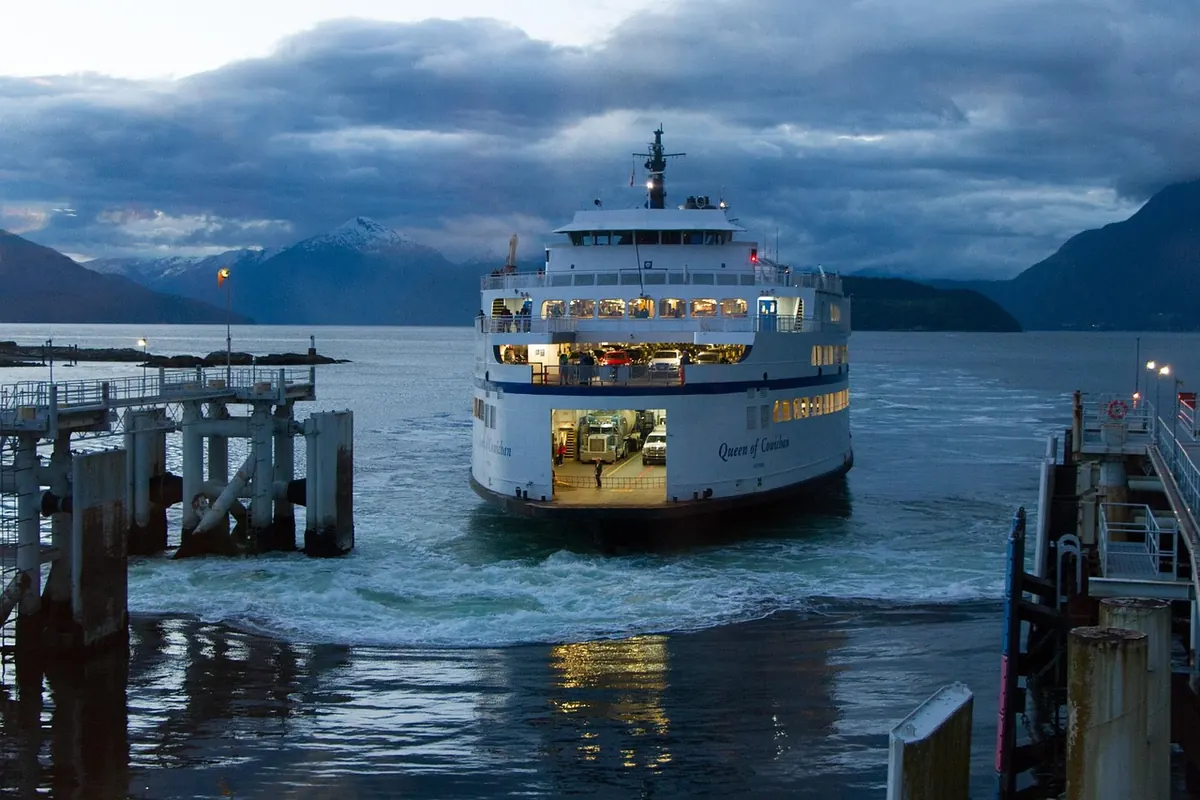
The first thing to understand about an overnight ferry to Spain is that it isn't really overnight. Sail from Portsmouth, Plymouth or Rosslare and you're looking at something closer to a day and a night at sea — long enough that the crossing stops being a way of getting somewhere and becomes part of the trip.
Whether that sounds like bliss or a waste of 24 hours depends entirely on you. What follows is a plain account of what those hours actually contain: the cabins, the food, the entertainment, and how the whole thing stacks up against a cheap flight and a hire car.
The route, and what "overnight" means in practice
Brittany Ferries runs the main links to northern Spain: Portsmouth to Santander and Bilbao, Plymouth to Santander in season, and Rosslare to Bilbao. Sailings generally leave in the evening and dock the following afternoon or evening, so you get one night's sleep, one full day at sea, and a second night if you've picked a longer route.
The Bay of Biscay is the stretch everyone talks about, and rightly so. It can be flat and glassy, and it can be genuinely rough. If you know you're prone to seasickness, this is the part to plan for rather than hope about — and if you take medication, it works far better started before you sail than once you're already feeling green. Ask a pharmacist or your GP what suits you.
Boarding night: the bit people get wrong
Check your booking confirmation for the check-in deadline, because it's earlier than most people expect — often an hour or so before departure, and it isn't negotiable. Arrive with time to spare, and you'll drive on in a calm, orderly queue rather than a stressed one.
Once aboard, you pick up your cabin card, which doubles as your key and your onboard payment card. Bags go in the cabin; you don't need to lug them around the ship. Then it's up on deck for sail-away, which is genuinely lovely — the lights of the Solent or Plymouth Sound sliding away, the ship's engines settling into a low hum you stop noticing after an hour.
Cabin grades, and which one to book
Cabins come in tiers, and the price gap between them is real. The main distinction is simple: inside cabins have no window, outside cabins do.
Inside versus outside
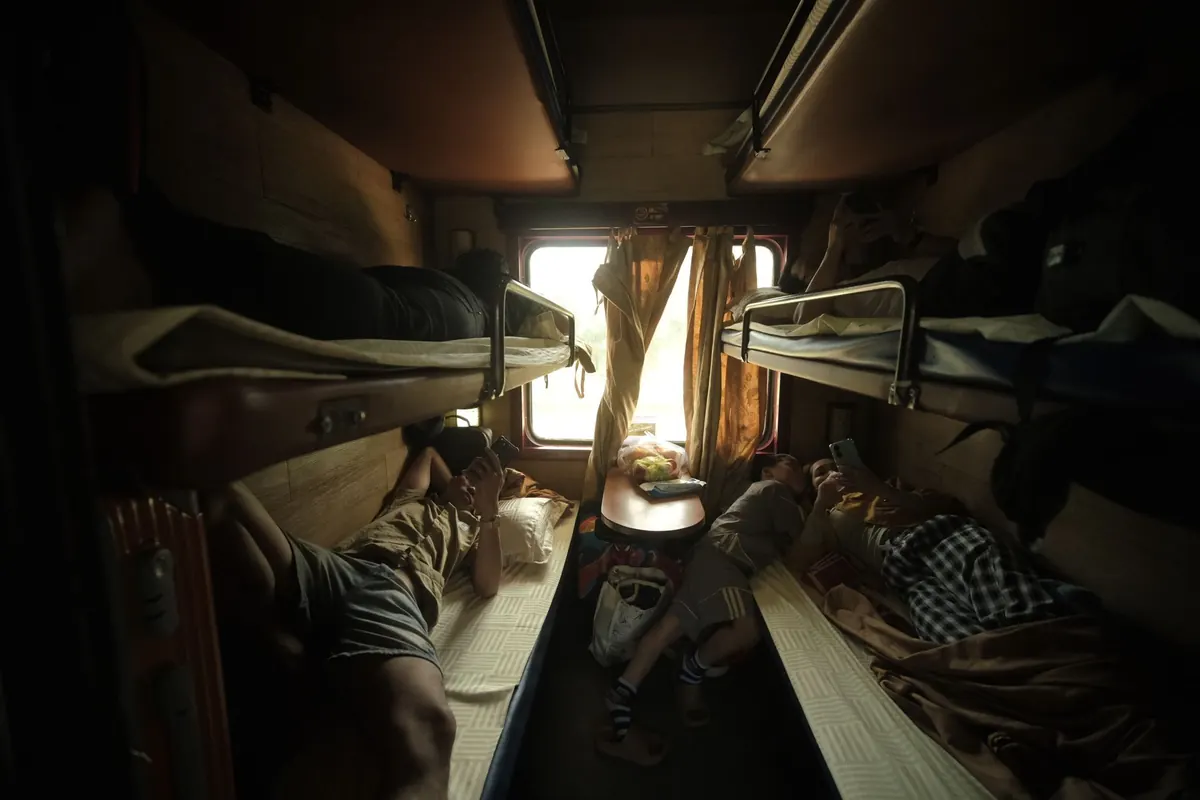
Inside cabins are cheaper and perfectly comfortable — en-suite shower and WC, beds, a small desk, somewhere to hang things. The catch is that with no daylight you can sleep straight through breakfast. Outside cabins cost more and give you a porthole or window, which matters more than you'd think on a sea day: waking up to grey Atlantic light is a different experience from waking up in a windowless box.
Standard versus club or commodore
The top grades add space, better beds, a seating area, a fridge, and extras such as priority boarding, a dedicated lounge, or breakfast brought to the cabin. On a crossing this long, they're a genuine upgrade rather than a gimmick — but they sell out first in summer.
The reclining seat option
Some sailings offer reclining seats in a lounge instead of a cabin. It's the cheapest way to cross, and on a 24-hour sailing it's a long, uncomfortable haul. Book a cabin if you can afford it.
A few practical points worth knowing:
- Book early for July and August; the good cabins go first and fares climb.
- If you're worried about motion, ask for a mid-ship cabin on a lower deck — that's where movement is felt least.
- Pet-friendly cabins exist on some ships but are limited. Otherwise, pets travel in kennels on the vehicle deck and you can visit during the crossing.
- Foot passengers are accepted on some sailings only, so check before you plan a car-free trip.
Food and drink on board
There's usually a waiter-service restaurant, a self-service cafeteria and at least one bar. The restaurant is the better experience: a set menu or à la carte, table service, and a proper window view if you book early in the evening. The cafeteria is fine and quicker, and works well for breakfast or a late snack.
Two tips. First, reserve a dinner slot when you book your cabin if the option exists, because the main sitting fills up on the first night. Second, take a bottle of water and a few snacks for the cabin — the bars close, and a hungry hour at 2am feels very long.
Filling the hours: entertainment and downtime
There's more to do than you'd expect: a cinema, live music in the bar, quizzes, a children's play area, and on some ships a small pool or wellness space. Deck plans for your specific sailing are the only reliable guide.
Wi-Fi is usually available for a fee and slows to a crawl once you're out of sight of land. Mobile signal drops away for a long stretch in the middle of the crossing. Treat that as a feature: it's a rare excuse to read a book properly, play cards, or simply watch the sea. Pack a jumper for the deck — it's cold out there even in August.
Does it beat flying?
Honestly, it depends on your trip. If you're travelling with a car, a bike, a dog, a lot of luggage or young children, the ferry wins comfortably. You load everything once, sleep on the way, and arrive in Santander or Bilbao fresh, with no baggage carousel and no airport transfer.
If you're a foot passenger with a rucksack heading to a city, flying is faster and often cheaper. And on the environmental question, don't assume the ferry is automatically greener — it depends on the ship, the route and how you'd otherwise have travelled.
Before you book: a short checklist
- Decide your route by arrival port as much as departure port. Santander and Bilbao are quite different starting points for northern Spain.
- Check the cabin grade carefully — inside, outside, and whether the fare includes meals.
- Confirm the pet policy and cabin availability if you're travelling with an animal.
- Note the check-in deadline and plan the drive to the port with slack.
- Pack a small day bag for the cabin so you're not opening the boot at sea.
- Ask a pharmacist or GP about seasickness before you travel if it's likely to affect you.
Then let it be what it is: a slow, slightly old-fashioned way to cross a lot of water. Get the cabin right, book your dinner early, and the arrival — sliding past the cliffs into Santander in the morning light — is worth the hours it took to get there.
Photo: Pew Nguyen / Pexels