



Ferry tickets look straightforward: choose a route, pick a sailing, pay. Then you turn up at the port with a roof box, a dog and a surname spelled slightly differently from your passport, and the day starts to come apart. Most of the mistakes below are small, entirely avoidable, and cost either a fee at the desk or an hour on a cold quayside. Here are the ones that come up again and again, and what to do instead.
The Nine Mistakes at a Glance
- Declaring a shorter or lower vehicle than the one you actually bring.
- Buying a rigid, non-amendable ticket when your plans might shift.
- Arriving after the check-in deadline, or cutting it far too fine.
- Choosing a port on price alone and paying for the extra drive.
- Ignoring pets, cabins and seat reservations until they have sold out.
- Spelling names differently from the passport or ID you will present.
- Getting the passenger count wrong, or forgetting to update the vehicle.
- Booking the wrong date, the wrong direction, or muddling time zones.
- Leaving peak sailings until late, when the quiet options have gone.
Getting the Vehicle Right
Operators price cars by length bands, and the band that applies is the vehicle as loaded, not as it left the factory. A hatchback with a tow bar, a bike rack on the back and a roof box on top is a longer, taller thing than the one described on your V5C. Under-declare it and you may be asked to pay the difference at the port, moved to a later sailing if the deck is tight, or refused altogether on routes with strict height limits.
A few habits worth adopting:
- Measure bumper to bumper, including any tow bar, bike rack or trailer.
- Measure the height with the roof box loaded, not with the car empty.
- Check whether the operator's length rule includes the tow bar — it varies between companies.
- Count caravans, trailers and bike racks as separate items if the booking form asks.
- If you hire a car or change vehicle before you travel, update the booking.
If you are between bands, book the longer one. The difference in fare is rarely dramatic; arriving with an undeclared half-metre of caravan is another matter.
Respect the Check-In Window
Every operator sets a check-in deadline, and it is usually earlier than people assume for cars and motorcycles. Foot passengers often have a later cut-off because they board on foot, but they still have to clear security and passport checks, and that queue moves slowly when two sailings overlap. The deadline differs by route and by sailing, so read the one printed on your confirmation rather than the general guidance on the website.
Work backwards from the departure time, then add a buffer for the things that actually happen: holiday traffic, roadworks, a fuel stop, a wrong turning in an unfamiliar port town. Ports are often in places where one closed road means a long detour. Turning up very early is not always rewarded — some terminals hold you on the approach road until boarding starts — but it beats watching your ship leave.
Cheap Fares, Rigid Tickets and Peak Dates
The cheapest crossing on the screen is not always the cheapest journey. That fare may be for a sailing in the middle of the night, from a port ninety minutes further from your house, arriving after the last train or bus. Add the fuel, the tolls, a motorway service breakfast and possibly an extra night's accommodation, and the bargain looks different.
If you would not drive two hours further for a cheaper flight, think twice before doing it for a cheaper ferry.
Ticket type matters just as much. The lowest fares are often valid on the booked sailing only, with no refund if you miss it. If you are driving six hours to reach the port, that flexibility is worth having. If you live twenty minutes away and travel midweek, you are probably paying for something you will never use. Read what happens if you arrive late or want to move to an earlier sailing — it is one line in the conditions and it settles the question.
Timing matters too. School holidays, bank holiday weekends and the first Saturdays of the summer fill up months ahead, and the remaining cabins and car spaces get expensive. Midweek, overnight and shoulder-season sailings stay quieter for longer. If your dates are flexible at all, shifting by a day or two can be the single biggest saving available.
Pets, Cabins and Other Extras
These are the bookings that quietly disappear. Not every route carries pets, kennels are limited, and pet-friendly cabins sell out long before the ship is full. If you need one, book it when you book the crossing rather than hoping to add it later.
Cabin numbers work the same way on overnight routes. Some fares include a berth; others sell cabins, reclining seats and meals as add-ons, and the good cabins go first. Foot passengers should check luggage rules before packing — without a car boot, you are carrying everything, and there are usually limits on how much.
If you are travelling with an animal, check the current entry requirements for the country you are entering, and do it well before departure. Rules and paperwork change, and the official government guidance for your destination is the only source worth relying on. For anything involving significant money — a motorhome trip, a group booking, a relocation — read the operator's conditions and speak to a travel insurance provider before you pay, not afterwards.
Typos, Counts and Time Zones
Names on a booking should match the passport or ID card that will be handed over at check-in. A misspelling is not always a problem, but some operators charge to correct it and some treat it as a new booking. Book each traveller exactly as their document reads, including middle names where the form asks for them.
Then check the numbers. Adding a passenger later may cost more than including them now, or may not be possible if the sailing is full. If you gave a registration number and then changed cars, update it. If you booked for four and two can no longer come, tell the operator — some fares allow a partial amendment, and a no-show is treated as a cancellation.
Finally, watch the clocks. A 14:00 departure from Calais is 13:00 in the UK, and planning your drive on the wrong time zone is an easy way to miss a ship. Overnight crossings are the other trap: you board on one date and arrive on the next, so it is worth reading the confirmation aloud before you pay. Outbound and return legs are also easy to book the wrong way round, particularly when you are booking both in one session.
If Plans Change, Speak to the Operator First
Amending is almost always easier than cancelling and rebooking, and a missed sailing with no warning is generally treated as a cancelled ticket. So contact the operator as soon as you know something has shifted — a delayed flight, a sick child, a car that will not start. Keep your booking reference and confirmation email to hand, and ask directly what your options are rather than assuming the worst.
Before you pay, give the confirmation one last read: vehicle, passengers, dates, times, extras and check-in deadline. Five minutes at the kitchen table is cheaper than an hour at the port.
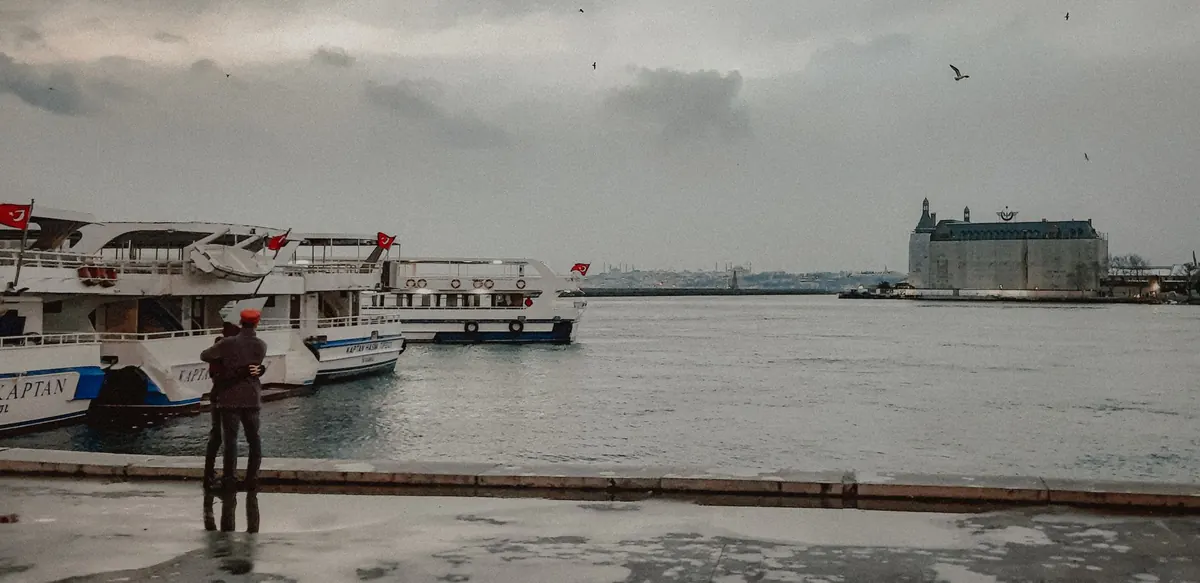
Photo: Betül Balcı / Pexels