

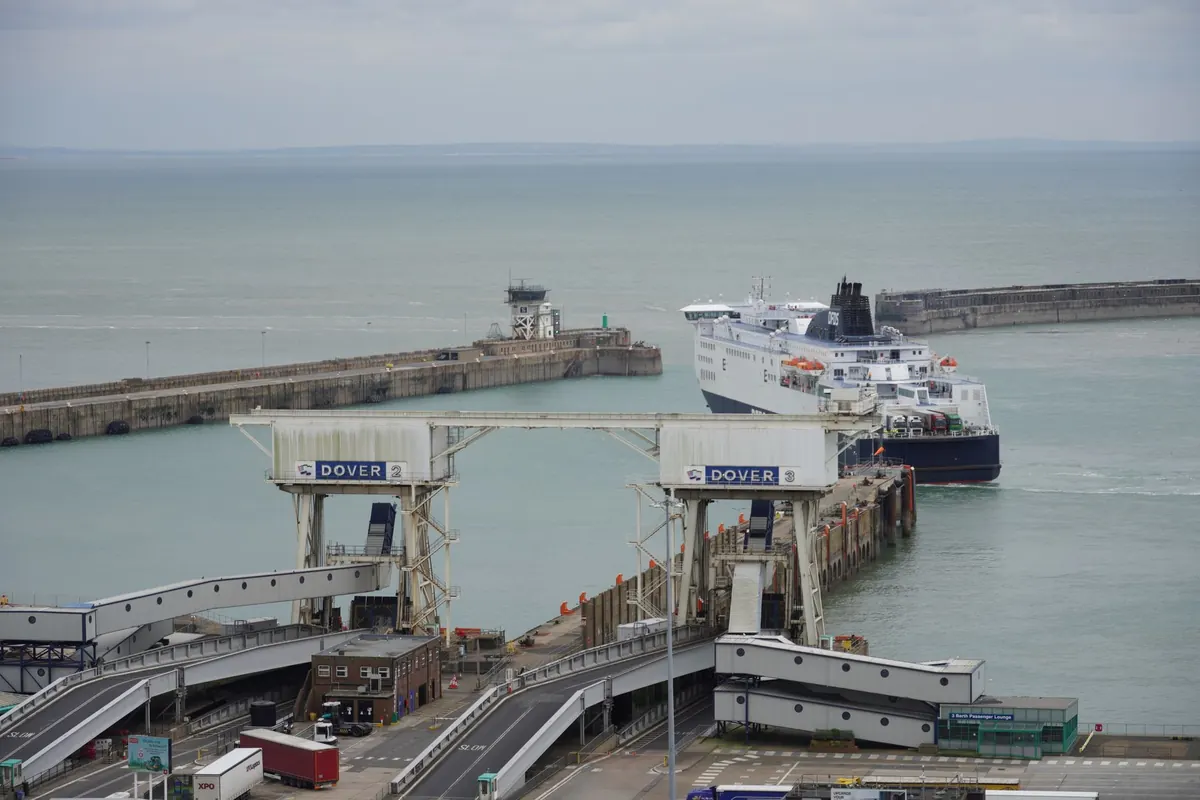
Nothing on the short sea routes works quite like Dover to Calais. It is the shortest practical sea crossing between Britain and the Continent, the busiest, and the one with the most departures in a day — which is precisely why comparing the options can feel muddier than it should. Three operators sail conventional ferries across the Strait of Dover, all taking roughly the same time on the water, all selling tickets that look similar at first glance and rather different once you read the small print. Here is what genuinely differs.
Who sails Dover to Calais?
Three ferry companies share the route, and they are not interchangeable in the way their marketing suggests.
P&O Ferries is the longest-established operator on the crossing and runs the largest share of the timetable, including departures through the night. If you need to leave Dover at an awkward hour, this is usually where the options are.
DFDS is a Danish company that has run Dover–Calais since 2016 and also sails Dover–Dunkerque. That second route matters more than people expect: if you are heading for Belgium, the Netherlands or western Germany, Dunkerque can put you on the right motorway sooner and gives you a fallback when Calais sailings are full.
Irish Ferries, best known for its Irish Sea routes, joined Dover–Calais in 2021 and has built up its presence since. It is the newest entrant, which sometimes shows in the pricing.
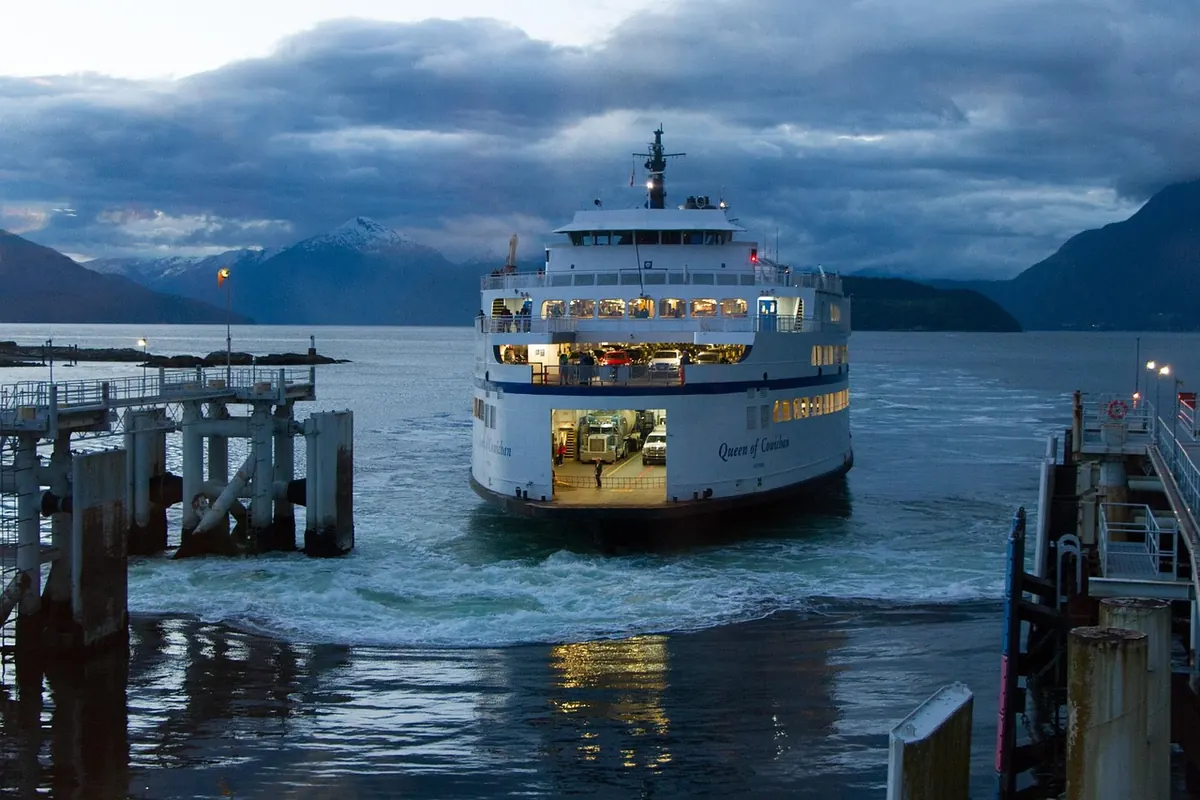
All three use Dover Eastern Docks and the Port of Calais, and all three carry cars, motorhomes, caravans, coaches, freight and foot passengers. There are no fast craft left on this route — the old sea cats and hovercraft are long gone, so nobody is crossing in an hour.
How long does the crossing actually take?
Port to port, allow about 90 minutes. Dover to Calais is roughly 21 miles at the narrowest point, and with identical harbour approaches and speed limits, the difference between the three operators is scheduling, not speed.
What stretches the journey is everything around the sailing. Most operators ask car drivers to check in 45 to 60 minutes before departure, and longer for vans, trailers and coaches. Boarding typically closes around 30 minutes before the ship leaves. So a 09:00 sailing really means being at the port by about 08:00. Disembarking on the other side usually takes 20 to 30 minutes once the ramp is down.
Then there is the clock. France is an hour ahead, and operators publish times in local time. A 10:00 departure from Dover will show an arrival of about 12:30 in Calais — 90 minutes on the water, plus the hour. It catches people out when they are planning a onward drive.
Comparing fare structures
Prices fluctuate with demand, so chasing a "cheapest operator" is a waste of time. What stays consistent is how each company builds its fares, and that is where the real differences sit. Some quotes are per car with passengers included; others price per person with a vehicle supplement. A cheap-looking headline can end up costing more once the extras land.
When you compare, look at these things rather than the first number you see:
- Whether the fare is per vehicle with passengers included or per person plus a vehicle charge.
- Whether the ticket is tied to one specific sailing or flexible within a window.
- Amendment and cancellation terms — saver fares are often non-refundable and expensive to change.
- Whether a day return or short-break return undercuts two singles. It often does.
- Booking or card fees added at the final step of checkout.
- Whether a roof box, bike rack or trailer pushes your vehicle into a different category.
Booking well ahead helps, particularly for summer weekends and school holidays. Midweek, early morning and late evening sailings are generally the quieter and cheaper slots, and a day return booked as one ticket is usually better value than two separate crossings.
Boarding at Dover: what to expect
Arriving at Eastern Docks is more orderly than it looks, but it has more steps than a Eurotunnel check-in. Follow the signs for your operator and expect roughly this sequence:
- Stop at the check-in booth, where your number plate is read and you are given a lane card or hanger.
- Pass through French border control. Passport checks for France are carried out on the British side before you board, so have passports ready for everyone in the car, children included.
- Pass through the security search area, where vehicles may be checked.
- Move to your allocated lane and board when your row is called.
Foot passengers check in at the terminal building rather than the vehicle booths and are usually taken to the ship by shuttle bus. Capacity for foot passengers is limited on some sailings, so book rather than turn up on spec.
If you miss your sailing, most operators will move you to the next available departure — free on flexible tickets, for a fee on the cheapest ones. It is worth knowing which you have bought before you are sitting on the A20 watching the clock.
The return leg and onboard shopping
Coming back, the border process reverses: you clear French exit checks and UK border control in Calais before boarding, so you need to arrive with the same buffer you would allow in Dover. Do not treat the French side as a quick stop.
Since the UK left the EU, duty-free sales on alcohol, tobacco and perfume have returned to cross-Channel ferries, and the onboard shops are worth a look on the way out as well as the way home. Check current allowances on gov.uk before you stock up. Pets can travel on this route too, but the paperwork depends on rules that have changed more than once in recent years — check the government guidance and your operator's own requirements before booking.
Which operator should you choose?
On most dates, the honest answer is whichever sailing suits your drive. The three are broadly comparable on comfort and crossing time, and the price gaps between them on the same day are often small.
Schedule is the real tiebreaker. If you want a departure in the small hours, P&O's frequency is likely to be your only realistic option. If your destination lies north or east, DFDS via Dunkerque can save you a chunk of driving. If Irish Ferries happens to be cheapest on your date and the time works, there is no good reason to pay more for the others.
Book direct with the operator where you can. Third-party agents sometimes shave a little off the price, but changes and cancellations then have to go through the agent, which slows everything down when you are standing at a port.
Before you book
- Price the same date and time across all three operators, in both directions.
- Write down the check-in deadline in local time, not UK time.
- Read the amendment and cancellation terms, not just the fare.
- Check passport validity and entry requirements on gov.uk before you travel.
- Book early for summer weekends, bank holidays and school holidays.
- If you are a foot passenger or cyclist, confirm space is available on your chosen sailing.
If speed matters more than anything else and you simply want to be in France as fast as possible, Le Shuttle through the Channel Tunnel takes about 35 minutes and remains the quickest option. For everyone else, the ferry is cheaper, more comfortable and far more forgiving when the motorway delays you — provided you have left enough time to check in.
Photo: guo fengrui / Pexels